
When Should You Call an Emergency Plumber?
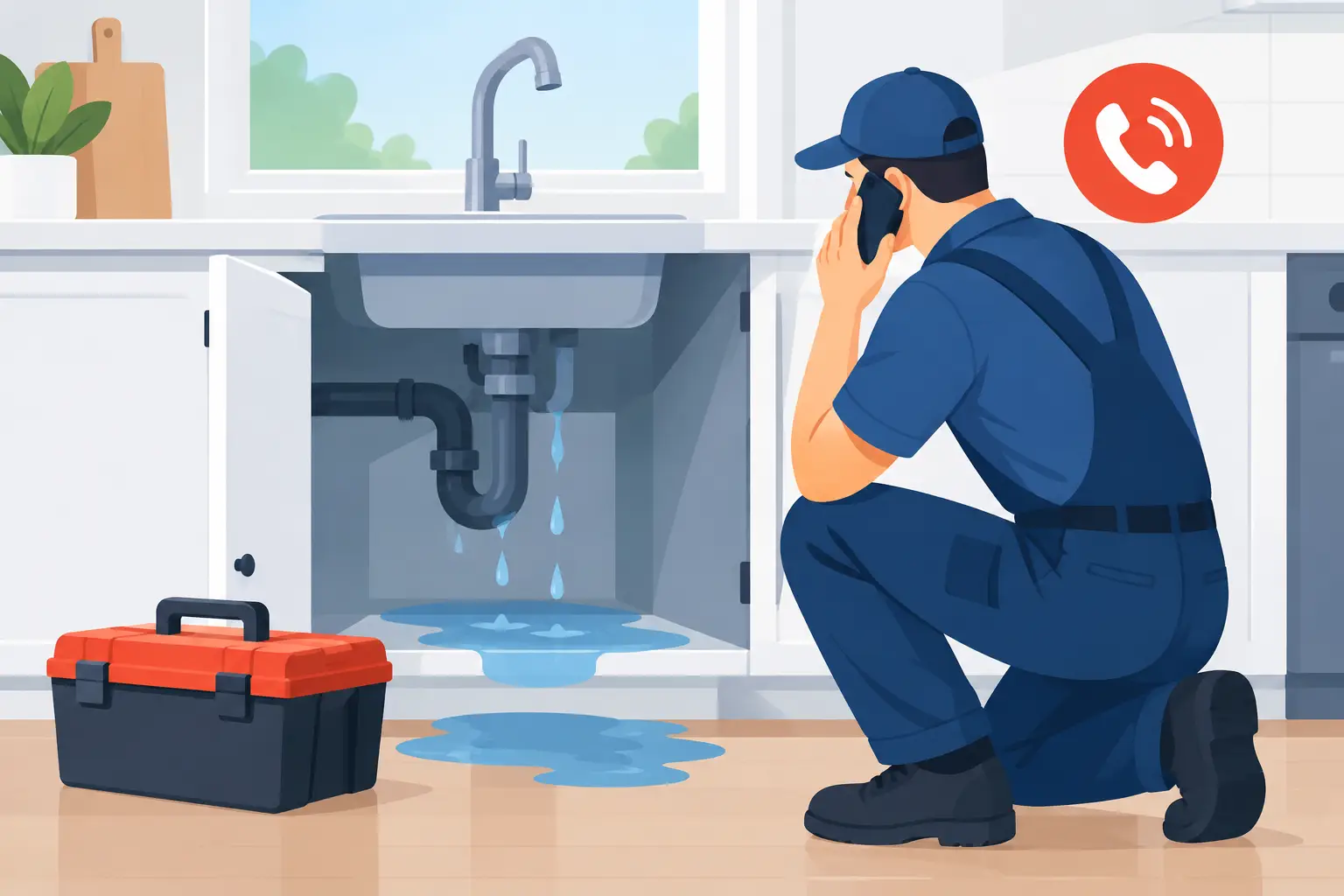
A pipe can fail without much warning. One moment you are hearing an unfamiliar hiss beneath the kitchen sink; the next, water is spreading across the floor towards cupboards, electrics or the room below. In that situation, an emergency plumber is not a convenience. Fast, qualified help can limit damage, protect your property and get essential services working safely again.
Not every plumbing fault needs an urgent call-out, but waiting is rarely the right choice when water is escaping uncontrollably, a drain is backing up into the property, or your heating or hot water has failed in difficult conditions. Knowing the difference helps you act quickly without paying for emergency work where a planned repair would be more suitable.
What Counts as a Plumbing Emergency?
The key question is simple: can the fault cause immediate damage, create a health or safety risk, or leave the property without an essential service? If the answer is yes, call for help.
An active leak that cannot be contained is one of the clearest examples. A burst pipe, failed flexible hose, leaking cylinder or water coming through a ceiling can rapidly damage plaster, flooring, furniture and electrical fittings. Even a smaller leak needs urgent attention when it is close to consumer units, sockets or appliances.
Blocked toilets and drains can also become emergencies when wastewater is overflowing or backing up into baths, showers, sinks or ground-floor rooms. This is not simply inconvenient. Contaminated water can present a hygiene risk and may cause lasting damage to finishes and belongings.
No heating or hot water can be urgent too, although it depends on the property and the people using it. A boiler failure during a cold spell is more serious in homes with young children, older residents, vulnerable occupants or poor insulation. Landlords and property managers should also respond promptly, particularly where a loss of heating affects tenants or risks frozen pipes.
Gas concerns need immediate action
If you smell gas, suspect a gas leak, notice a carbon monoxide alarm sounding, or see signs of incomplete combustion around a gas appliance, do not treat it as an ordinary plumbing problem. Avoid using electrical switches, extinguish naked flames if it is safe to do so, open doors and windows, leave the property, and call the National Gas Emergency Service on 0800 111 999.
After the immediate danger has been addressed, a Gas Safe engineer should inspect and repair the affected appliance or pipework. Never attempt gas work yourself or ask an unqualified person to investigate it.
What to Do Before an Emergency Plumber Arrives
A calm first response can reduce the scale of the damage. Your priority is safety, then containing the problem where you can do so without taking risks.
If water is leaking, turn off the internal stopcock. It is commonly located beneath the kitchen sink, near the water meter, in a utility room or close to where the mains supply enters the property. If you are unsure where yours is, finding it before an emergency occurs is a worthwhile household task. For a localised leak, you may be able to isolate the appliance using its service valve instead, leaving the rest of the water supply available.
Then switch off nearby electrical circuits only if it is safe to reach the consumer unit without walking through water. Move valuables, place containers under a manageable drip and use towels to stop water travelling into adjoining rooms. Do not climb into a loft, remove boiler casings or take apart pipework to find the source of a leak.
When you call, give a clear description of what has happened. Let the engineer know where the water is coming from, whether you have isolated the supply, whether ceilings or electrics are affected, and whether the property has heating and hot water. This helps the right engineer arrive prepared with suitable parts and equipment.
Problems an Emergency Plumber Can Resolve
Emergency plumbing is about making the property safe, stopping further damage and restoring essential operation wherever possible. The exact repair depends on the fault, the condition of the system and the availability of replacement parts.
A qualified engineer can trace a leak, replace damaged sections of pipe, repair failed valves and fittings, deal with leaking taps or toilets, and assess issues with cylinders, pumps and water tanks. They can also investigate poor water pressure when it is linked to a sudden fault, rather than a long-standing system limitation.
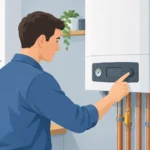
For heating systems, the work may involve identifying boiler faults, pressure loss, leaks on central-heating pipework, failed controls or circulation issues. A repair on the day is often possible, but it depends on the diagnosis. Older boilers, obsolete parts and more extensive water damage can mean a temporary safe solution is needed before a full repair or replacement can be arranged.
Drainage faults need the same practical approach. A plumber can assess whether the blockage is within internal pipework, caused by a failed trap or fitting, or likely to sit further along the drainage run. Severe external drainage issues may require specialist drain clearance, but an accurate assessment prevents time being wasted on the wrong solution.
When a Planned Appointment Is Usually Enough
Some plumbing problems are frustrating but can safely wait for normal working hours. A dripping tap, a slowly filling toilet cistern, a radiator that needs bleeding, or a shower with reduced flow often falls into this category. Booking a planned visit can be more cost-effective and gives time to investigate the cause properly.
That said, do not judge an issue by its size alone. A minor drip beneath a basin could be harmless for a day, but the same drip inside a kitchen unit may soak a cabinet base, damage flooring or reach an electrical appliance. If in doubt, explain the situation and ask whether an emergency attendance is recommended.
Choosing an Emergency Plumber You Can Trust
Urgent situations make people vulnerable to poor workmanship and unclear charges. Look for a local business that explains its call-out process, communicates clearly about likely costs and sends appropriately qualified engineers for the work required.
Gas and boiler work should always be carried out by a Gas Safe registered engineer. For plumbing and heating repairs, experience matters too. The engineer should be able to identify the underlying fault rather than simply patch the visible symptom, and explain what has been done before leaving the property.
It is also worth asking what happens after the immediate repair. A temporary repair may be the safest option overnight or when a specialist component is needed, but you should know what further work is recommended, how urgently it should be completed and what the likely next steps are.
Preventing the Next Plumbing Emergency
Many urgent call-outs begin with faults that gave small warnings first. A boiler that repeatedly loses pressure, a radiator valve that seeps, a toilet that occasionally overflows or a pipe that knocks loudly should not be ignored. Early maintenance is normally less disruptive than dealing with a full failure.
Arrange regular boiler servicing, check visible pipework and appliance connections, and make sure everyone responsible for the property knows where the stopcock is located. During cold weather, keep the heating at a protective background temperature in empty properties and address draughts around exposed pipework. Landlords and property managers should also make it easy for occupants to report small faults before they become major ones.
For homeowners across Cheltenham, Gloucestershire, the Cotswolds, Bath and Stroud, Plumbing Bend Heating Service Ltd provides practical support when plumbing or heating problems cannot wait. The right response is rarely complicated: make the area safe, contain what you can, and call qualified help before a manageable fault becomes a costly repair.