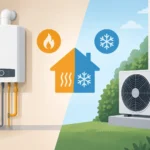


Air Source Heat Pump Installation Cost Explained
A heat pump quote can look very different from one property to the next, even when the homes appear similar from the road. Air source heat pump installation cost is shaped by the building’s heat loss, the existing heating system, the space available for equipment and the standard of the installation itself. A properly designed system is not simply a replacement boiler with an outdoor unit attached.
For homeowners, landlords and property managers across Cheltenham, Gloucestershire, the Cotswolds, Bath and Stroud, the right question is not only, “How much does a heat pump cost?” It is, “What does this property need to stay warm efficiently for years to come?”
What does an air source heat pump installation cost?
As a broad guide, a fully installed air source heat pump system in a UK home commonly costs around £8,000 to £18,000 before any grant support. Smaller, well-insulated properties with straightforward access and suitable radiators may sit towards the lower end. Larger detached homes, older rural properties and homes needing substantial heating upgrades can cost more.
The figure should include more than the heat pump itself. A dependable quotation usually allows for system design, the outdoor unit, hot water cylinder where required, controls, pipework, electrical work, commissioning and handover. It may also include upgrades to radiators, insulation improvements or alterations to the existing heating distribution system.
Be wary of a price that looks unusually low without a clear scope of work. It may exclude essential items that only emerge once work begins. Equally, the highest quote is not automatically the best. What matters is whether the proposed system has been sized and designed around your home rather than based on a rough estimate.
Why installation prices vary between properties
Heat pumps work by moving heat from outside air into your home. They operate most effectively when they can provide steady warmth at lower water temperatures than a traditional gas boiler. That makes the condition and design of the whole heating system important.
Heat loss and insulation
A heat-loss survey is the starting point for a sensible installation. It calculates how much heat each room loses through walls, windows, roofs, floors and ventilation. A draughty period property in the Cotswolds will usually need a different approach from a newer, well-insulated house in Cheltenham.
Improving loft insulation, addressing draughts or upgrading weak areas of the building fabric can reduce the size of heat pump needed and improve running performance. Not every home needs major renovation before a heat pump can be fitted, but ignoring obvious heat loss can lead to a larger, more expensive system and higher bills.
Radiators, pipework and underfloor heating
Because a heat pump generally runs at lower flow temperatures, some existing radiators may not give out enough heat on colder days. In that case, larger radiators or additional emitters may be needed. Underfloor heating can work particularly well with a heat pump because of its large surface area and low operating temperature, but it must be correctly designed and controlled.
Older pipework can also affect the project. Restricted, undersized or poorly configured pipes may prevent the system from circulating water as intended. A thorough survey identifies these issues before installation, rather than treating them as costly surprises halfway through the job.
Hot water provision
Most air source heat pump installations include a larger hot water cylinder. Heat pumps heat water more gradually than many boilers, so cylinder size and recovery time need to match the household’s bathing, showering and kitchen use. A family home with several bathrooms will have different requirements from a one-bedroom flat.
If there is no suitable airing cupboard or utility space, the installer may need to consider alternative cylinder locations and pipe runs. This can affect both price and practicality.
Outdoor unit location and access
The outdoor unit needs a stable base, clear airflow and sensible positioning for maintenance. It must also be considered carefully in relation to neighbours, boundaries and noise. Modern units are much quieter than many people expect, but location still matters, particularly in closely built streets or quiet village settings.
Access can add time and cost. Narrow side passages, steep gardens, listed properties, difficult routes for pipework and the need for specialist lifting equipment may all influence the final quotation. Planning restrictions are not common for every installation, but properties in conservation areas or with particular planning conditions may require additional checks.
Electrical upgrades and controls
A heat pump needs a suitable electrical supply and dedicated protection. Some homes need only minor electrical work, while others may require consumer unit alterations or a review of the incoming supply. Smart controls, zoning and weather compensation can also add to the initial price, but they help the system respond efficiently to outdoor conditions and the way the property is used.
Grants can reduce the upfront cost
Eligible homeowners in England may be able to use the Boiler Upgrade Scheme towards an air source heat pump installation. Grant values, eligibility criteria and application rules can change, so they should be confirmed before making decisions or comparing final prices.
The grant is intended to reduce the upfront cost, not to replace good design. A discounted system that is incorrectly sized, poorly installed or unsuitable for the building will not deliver the comfort or efficiency you expect. Your installer should explain the available support clearly and show how it is reflected in the quotation.
Landlords and property owners should also consider the wider value of an efficient heating upgrade. Lower-carbon heating can support longer-term property improvement plans, but the financial case depends on insulation levels, fuel costs, occupancy patterns and how well the system is maintained.
What should a detailed quote include?
A clear quote makes it easier to compare installers fairly. It should explain the proposed heat pump model and output, expected changes to radiators or pipework, cylinder specification, controls, electrical work and where the outdoor unit will sit. It should also state what is excluded.
Ask whether the price includes a room-by-room heat-loss calculation, system flushing or cleaning, removal of the old boiler, commissioning and customer instruction. You should know who will handle the different parts of the work and whether any additional building, electrical or decorating work may be required.
A good installer will also discuss likely running costs carefully. No engineer can promise a precise annual bill because weather, tariff choice and household habits vary. They can, however, provide realistic expectations based on the design temperature, heat demand and proposed operating settings.
Where spending more can be worthwhile
The cheapest heat pump installation is not always the least expensive over its working life. Spending more on correct sizing, hydraulic design, quality controls and suitable radiators can reduce the risk of poor comfort, excessive electricity use and repeated call-outs.
Maintenance matters as well. A heat pump should be checked regularly to keep it operating safely and efficiently. This includes inspecting system pressures, controls, filters, pipework, condensate drainage and the outdoor unit. Keeping the area around the unit clear and using the controls as instructed can make a noticeable difference to performance.
For homes retaining some existing heating equipment, it is especially important to agree how the system will work day to day. Hybrid arrangements can suit certain properties, but they require careful control strategy rather than two systems competing against each other.
Getting a quote that reflects your home
Before requesting prices, gather any useful information about your current heating system, fuel bills, radiator sizes and planned building work. Mention extensions, loft conversions, new windows or insulation upgrades, as these can alter the heat demand and system design.
Then arrange a proper survey rather than relying on an online estimate alone. Plumbing Bend Heating Service Ltd can assess the heating system, property layout and practical installation requirements, giving you a clear view of the work involved and a transparent quotation.
A well-planned heat pump should feel simple once it is in place: steady warmth, dependable hot water and controls that suit your routine. The best time to control the cost is before the work starts, with a survey that treats your home as an individual property rather than a standard installation.