
Boiler Kettling Causes and What to Do Next
A boiler that sounds like a boiling kettle is rarely a fault to ignore. Boiler kettling causes are often linked to restricted water flow, limescale or sludge inside the heating system, and the noise can be an early sign that your boiler is working harder than it should to heat your home.
The sound may begin as a light rumble, whistle or bubbling noise when the heating comes on. Left unresolved, it can lead to higher energy use, unreliable heating and, in some cases, damage to components inside the boiler. A prompt inspection gives you the best chance of resolving the underlying issue before it turns into a more disruptive repair.
What is boiler kettling?
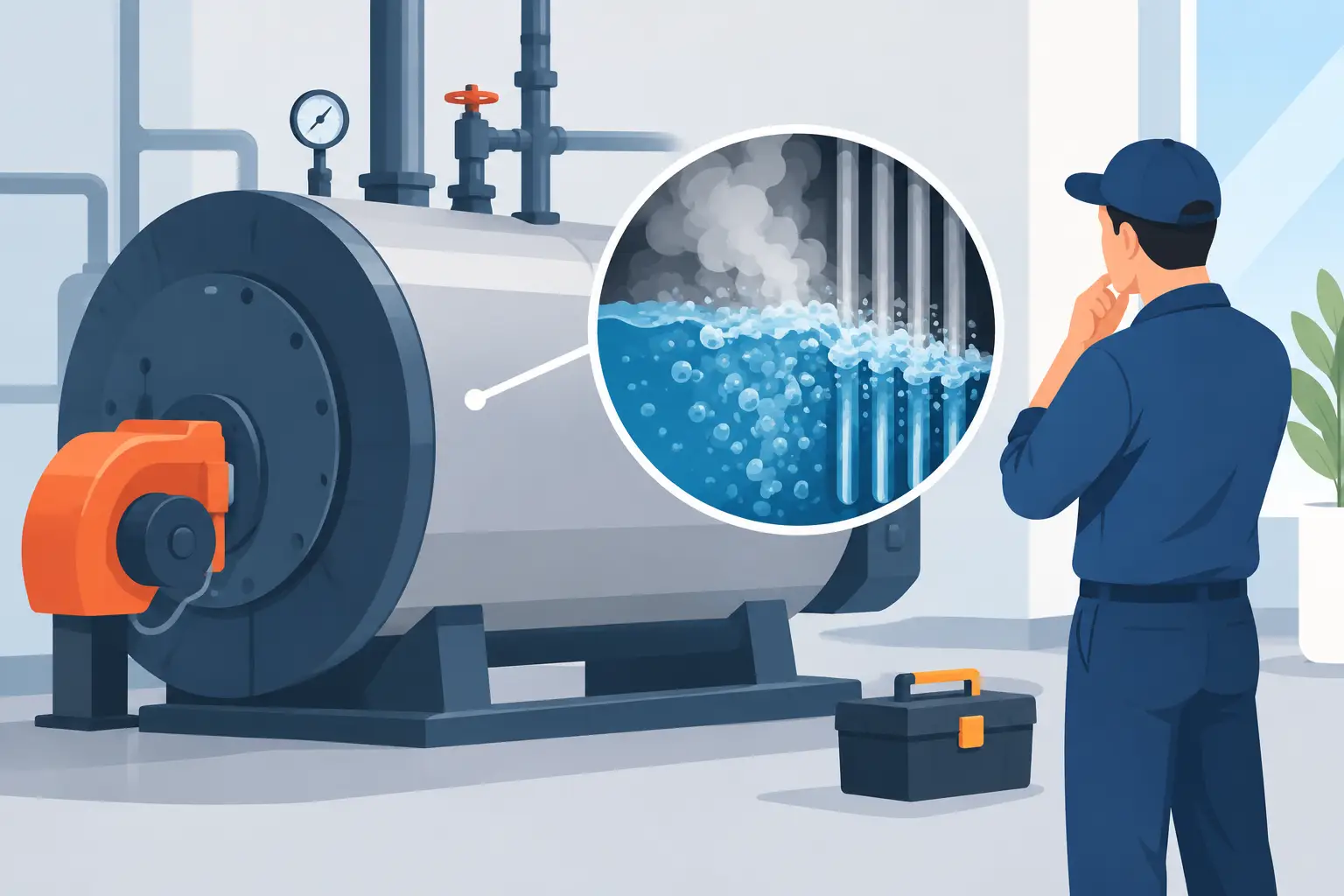
Kettling happens when water inside the boiler heat exchanger becomes too hot and starts to boil or form steam bubbles. Under normal operation, heated water circulates quickly through the boiler and central-heating system. When circulation is restricted, heat cannot move away from the heat exchanger efficiently.
This creates localised hot spots. Water around them can bubble, steam and collapse back into liquid, producing the familiar kettle-like noise. The boiler may still appear to heat radiators and hot water, but it is not operating as smoothly or efficiently as it should.
Modern boilers have safety controls designed to shut the appliance down if temperatures become unsafe. Even so, recurring kettling needs professional attention rather than repeated resetting or hoping the noise will disappear.
The main boiler kettling causes
Limescale in the heat exchanger
Limescale is one of the most common boiler kettling causes, particularly in hard-water areas. Minerals naturally present in the water settle onto hot internal surfaces over time. The heat exchanger is especially vulnerable because it is where the boiler transfers heat into the system water.
A layer of scale acts like insulation. It slows heat transfer and narrows the internal pathways that water needs to travel through. The boiler then has to work longer to deliver the same level of warmth, while sections of the heat exchanger become excessively hot.
The solution depends on the boiler type, its age and the extent of the build-up. In some cases, a targeted chemical clean may help. Where scaling is severe or has caused damage, a replacement component may be the more dependable option.
Sludge and debris in the central-heating system
Older heating systems can collect sludge – a dark mixture of iron oxide, dirt and debris created as metal components slowly corrode. This material often settles in radiators and pipework, but it can also restrict flow through the boiler.
Cold patches at the bottom of radiators, radiators that take a long time to warm up, or water that looks very dark when a radiator is bled can all point towards system contamination. Kettling alongside these symptoms often suggests the system needs more than a boiler-only repair.
A professional powerflush can remove circulating sludge and debris from suitable systems. It is not the answer to every fault, and a heating engineer should first check the condition of the pipework, radiators and boiler. Where appropriate, cleaning the system and fitting a magnetic filter can help protect the boiler from future build-up.
A blocked or partially closed valve
The central-heating system relies on open, correctly operating valves to maintain circulation. A stuck thermostatic radiator valve, blocked isolation valve or incorrectly positioned service valve can reduce the volume of water moving through the system.
Sometimes the restriction is within the boiler rather than at a radiator. Internal valves can become worn, clogged or fail to move correctly. Diagnosing the location matters. Turning valves at random may create a leak or leave part of the home without heat, so it is better to have the system checked properly.
A failing pump or poor water circulation
The pump moves heated water between the boiler and radiators. If it is slowing down, blocked or incorrectly set, water may linger in the heat exchanger long enough to overheat.
A circulation fault can also cause some rooms to heat unevenly, boiler temperature to rise quickly, or the boiler to cut out and restart. Pumps are electrical and mechanical components, so their condition should be assessed by a qualified engineer. The repair could be as straightforward as clearing an obstruction or adjusting a setting, but it may require a replacement pump on older systems.
Incorrect system pressure or trapped air
Low pressure can affect circulation, while air trapped in radiators, pipework or the boiler can interrupt the smooth movement of heating water. You may hear gurgling as well as kettling, and the pressure gauge may fall below the manufacturer’s recommended range.
Repressurising a sealed system may be suitable for a homeowner if they have the boiler instructions and no signs of a leak. However, pressure that repeatedly drops is not normal. It can indicate a leak, a faulty expansion vessel or a pressure-relief issue that needs investigation.
Is a kettling boiler dangerous?
A kettling noise does not automatically mean there is an immediate gas emergency. It is usually a water-circulation or internal scaling problem. However, it can put unnecessary strain on the boiler and should not be ignored.
Turn the boiler off and arrange urgent professional help if you smell gas, notice a burning smell, see water leaking from the boiler, experience repeated lockouts, or suspect a carbon monoxide issue. If you smell gas, do not operate electrical switches or use naked flames. Leave the property, turn off the gas supply only if it is safe to do so, and contact the relevant emergency service.
For a noisy boiler without these warning signs, book an inspection soon. A Gas Safe engineer can assess both the boiler and the wider heating system, rather than treating the sound alone.
What you can check before booking a repair
There are a few safe observations that can help explain the fault when you call. Check whether the noise occurs only when the central heating is running, only during hot-water demand, or both. Note whether particular radiators stay cold, whether the boiler pressure is unusually low or high, and whether the problem started after work was carried out on the system.
You can also make sure the boiler’s external vents are clear and check the visible pressure gauge. Do not remove the boiler casing, interfere with gas parts, add chemicals to the system or repeatedly reset a boiler that is locking out. These actions can make diagnosis harder and may create a safety risk.
If radiators have cold areas at the top and you are confident using the bleed key, bleeding them may release trapped air. Check the boiler manual first and monitor the pressure afterwards. If the issue returns, a professional visit is still needed to establish why air is entering or remaining in the system.
How a professional repair protects your heating system
A thorough kettling investigation begins with checking boiler operation, temperatures, system pressure and circulation. The engineer may inspect the pump, filters, valves and heat exchanger, as well as test the quality of the heating water.
The right repair is based on the cause. It may involve cleaning a blocked filter, restoring circulation, repairing or replacing a worn component, treating scale, or powerflushing the system. A reputable engineer should explain what has been found, what work is recommended and why, so you can make a clear decision before repairs proceed.
At Plumbing Bend Heating Service Ltd, our Gas Safe engineers help homeowners, landlords and property managers across Gloucestershire deal with boiler faults quickly and safely. We focus on lasting repairs that restore reliable heat, not temporary fixes that leave the underlying restriction in place.
Preventing kettling from returning
Annual boiler servicing is the simplest way to spot early signs of reduced circulation, dirty system water and component wear. It also keeps the boiler operating efficiently and gives an engineer the opportunity to identify issues before a breakdown.
For older systems, ask whether a magnetic filter would be worthwhile. These filters capture magnetic debris before it reaches vulnerable boiler components. In hard-water locations, appropriate water treatment and a well-maintained heating system can also reduce the risk of scale-related problems.
A quiet boiler is more than a comfort issue. It is a sign that heat is moving where it should, your system is working efficiently, and a small warning has not been allowed to become a cold-house emergency.