

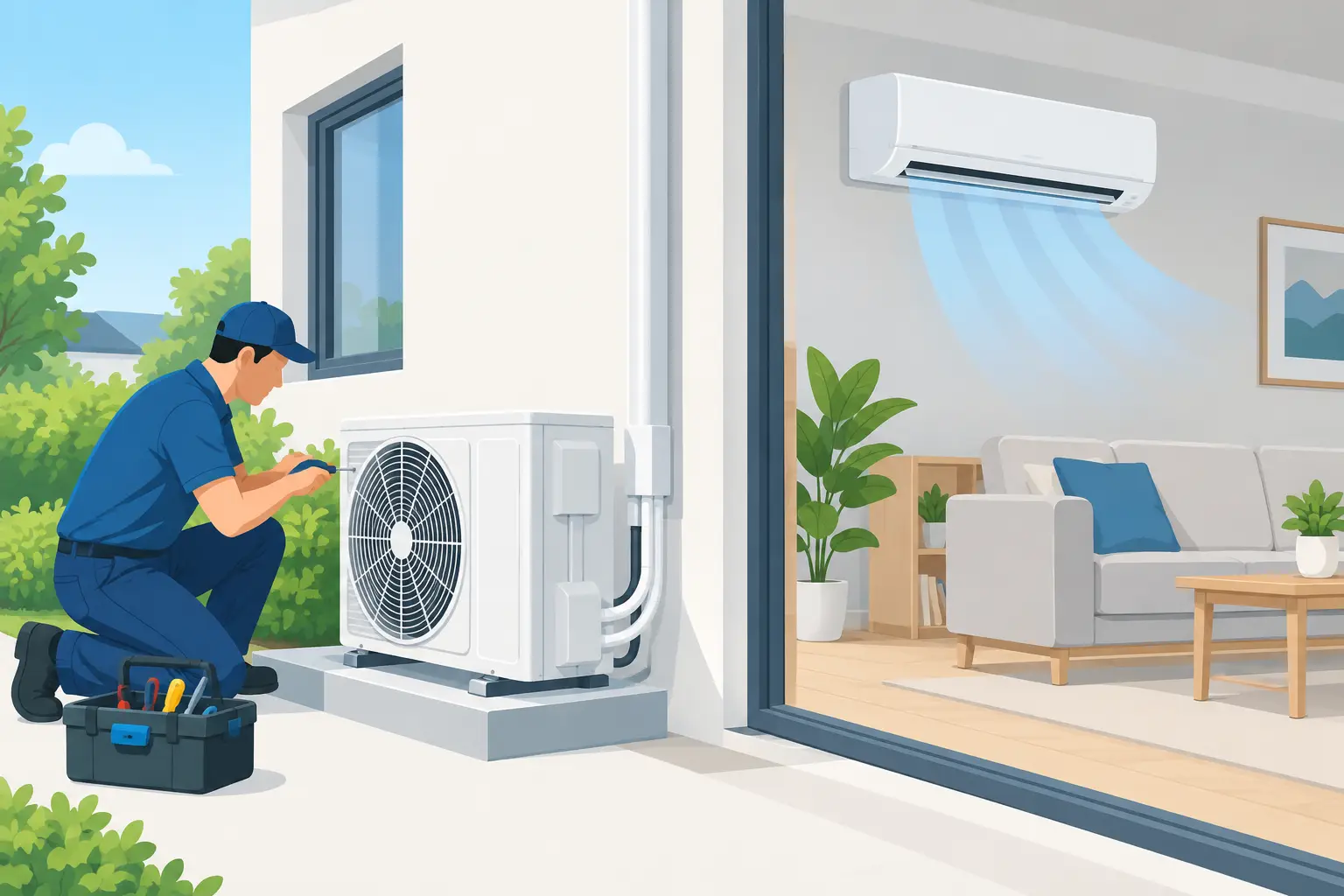
Air Conditioning Installation for Homes Made Clear
A hot upstairs bedroom, a sun-facing home office or a conservatory that becomes unusable by midday can make summer feel far longer than it should. Air conditioning installation for homes provides reliable cooling where fans and open windows fall short, while many modern systems can also provide efficient warmth during cooler months.
The right system is not simply the biggest unit that fits the budget. Good results depend on selecting the correct capacity, placing indoor and outdoor units carefully, and having the work completed by qualified engineers. Get those decisions right and your home can stay comfortable without unnecessary noise, draughts or high running costs.
Start with the rooms that need cooling
Most homes do not need every room air conditioned. A single wall-mounted unit may be ideal for a main bedroom, loft conversion or home office. For larger open-plan spaces, a more powerful unit may be needed. Where several bedrooms or living areas need treatment, a multi-split system can connect multiple indoor units to one outdoor condenser.
Think about how each room is used, not just its floor area. A south-facing room with wide glazing, poor shading and computer equipment will gain heat far more quickly than a shaded room of the same size. High ceilings, roof insulation, occupancy and whether doors are usually kept open also affect the capacity required.
An engineer should assess the room and calculate the likely cooling demand before recommending equipment. An undersized system may run continually without reaching a comfortable temperature. An oversized system can cool too quickly, switch on and off more often, and remove less moisture from the air. Neither outcome is good for efficiency or comfort.
Choose the right type of home air conditioning
For most properties, a fixed split air conditioning system is the practical long-term choice. It has a quiet indoor unit and an outdoor unit that releases heat outside. Refrigerant pipework and electrical connections run between them, usually through a small opening in an external wall.
A single-split system serves one room. It is often the straightforward answer for a bedroom or dedicated workspace. Multi-split air conditioning allows two or more indoor units to operate from one outdoor unit, helping to reduce external equipment where space or appearance matters.
Portable units can be useful for temporary relief, but they are generally noisier, take up floor space and require a hose through a window or wall opening. They are rarely as efficient or effective as a properly installed fixed system. For a property owner looking for dependable cooling year after year, professional installation is usually the better investment.
Many air conditioning units are air-to-air heat pumps, meaning they can supply heat as well as cooling. This can be useful in spring and autumn, or for quickly warming a room without switching on the full central heating system. It does not replace a well-designed whole-house heating system in every property, but it can add valuable flexibility.
Positioning matters more than many homeowners expect
The indoor unit needs a clear path to circulate conditioned air across the room. It should not be boxed in by shelving, mounted directly above a radiator, or aimed constantly at a bed, desk or sofa. A well-positioned unit distributes air gently and avoids the uncomfortable cold blast people often associate with poorly planned cooling.
The outdoor unit also needs careful consideration. It requires adequate airflow and a stable, level base or secure wall brackets. It should be accessible for servicing and positioned with neighbours, sleeping areas and outdoor seating in mind. Modern units are designed to run quietly, but every installation should account for sound levels and the direction of airflow.
Pipework routes are another part of the planning process. Shorter, tidier runs are often preferable, but the best route must also protect the fabric of the building and allow reliable condensate drainage. In older Cotswold homes, listed buildings or properties within conservation areas, visual impact and consent requirements may affect where equipment can be installed.
Check permissions and installation standards
Domestic air conditioning can often be installed without planning permission, but this is not guaranteed. Restrictions can apply to listed properties, flats, leasehold homes, conservation areas and buildings with specific local planning conditions. If you are a landlord or managing agent, it is also sensible to check lease agreements and any requirements set by the freeholder.
Professional air conditioning installation for homes should include checks beyond the visible equipment. Refrigerant work must be completed by appropriately certified engineers, and electrical connections must be safely designed and installed. Drainage needs to be correctly arranged so that condensation does not cause staining, leaks or damage around the indoor unit.
A proper installation should also include pressure testing, evacuation of the pipework, commissioning and a clear explanation of how to use the controls. The system should be tested in operation before the engineer leaves, rather than simply switched on and assumed to be working correctly.
Understand the cost before choosing a system
Installation costs vary because homes and requirements vary. A straightforward single-room system with easy access and a short pipe run will usually cost less than a multi-room installation with long pipework routes, difficult external access or building restrictions.
The equipment itself is only one part of the price. Labour, electrical work, mounting arrangements, condensate drainage, trunking, commissioning and warranty support all contribute to the final figure. A detailed quotation is more useful than a headline price because it shows what is included and avoids unwelcome extras later.
It is worth considering efficiency as well as the upfront cost. A cheaper unit may appear attractive, but a well-sized, high-efficiency system from a reputable manufacturer can cost less to run and provide better control over time. Features such as inverter technology, programmable timers, Wi-Fi controls and quiet modes can be genuinely useful, particularly in bedrooms and home offices.
Keep running costs under control
Air conditioning does not need to run at maximum output all day. Set a realistic temperature, usually a few degrees below the outdoor temperature rather than trying to make the room cold. Closing blinds or curtains during direct sun, keeping windows shut while cooling is running, and using timer settings can make a noticeable difference.
Cleaning or replacing filters as recommended is equally important. Dusty filters restrict airflow, reduce performance and can affect indoor air quality. The outdoor unit should be kept clear of leaves, stored items and vegetation so it can release heat efficiently.
Annual servicing helps keep the system operating safely and effectively. An engineer can inspect electrical connections, drainage, filters, coils and refrigerant performance, identifying minor issues before they become a loss of cooling on the hottest week of the year.
Plan for comfort that lasts
The best time to arrange installation is before the first heatwave, when you have time to assess options instead of settling for a rushed decision. A site visit allows the engineer to understand the property, discuss which rooms matter most and recommend a system that suits your budget and future plans.
For homeowners across Cheltenham, Gloucestershire, the Cotswolds, Bath and Stroud, Plumbing Bend Heating Service Ltd can help turn a warm, uncomfortable room into a space you can use confidently throughout the year. A carefully specified system, installed properly and maintained regularly, is a practical improvement to everyday comfort rather than a short-term fix.